
Call Today for a FREE Consultation
210-342-3400
Recent Blog Posts
The Chapter 7 Trustee Challenging an Asset's Value
 When you file Chapter 7 bankruptcy in Texas in 2026, you must list all your assets and their current values. You also claim exemptions to protect property from being sold by the trustee. But what happens when the bankruptcy trustee believes you undervalued something you own? What if they claim it’s worth more than you say it is?
This situation is more common than many people realize. If you have had this happen to you, don’t panic. Work with an experienced Schertz, TX bankruptcy attorney from the Law Offices of Chance M. McGhee.
How Do You Know the Value of Your Assets in Bankruptcy?
The starting point for asset values is what you list on your bankruptcy schedules. These forms ask for the current value of everything you own. When you sign your bankruptcy petition, you make this declaration:
Under penalty of perjury, I declare that I have read the schedules filed with this declaration and that they are true and correct.
Voluntary and Involuntary Bankruptcy
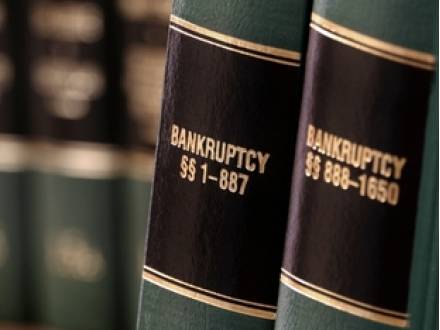 Filing for bankruptcy is a big decision, and understanding your options is the first step toward financial relief. Most people who file bankruptcy do so voluntarily, but there are other ways a bankruptcy case can begin. You also have choices about whether to file alone or together with your spouse.
If you are struggling with debt and want to make a change in 2026, knowing a little about bankruptcy can help you understand whether this step is the right choice for you. Our Schertz, TX bankruptcy attorney is experienced and ready to help you.
What is the Difference Between Voluntary and Involuntary Bankruptcy?
Almost all consumer bankruptcy cases are voluntary. This means the person who owes money makes the choice to file. A voluntary case begins when you or your bankruptcy lawyer files a petition with the bankruptcy court. Under the United States Bankruptcy Code, this petition officially starts your case and tells the court which chapter of bankruptcy you want to use.
Example of Reaffirmation Agreement vs. Cramdown of Vehicle Loan
 If you are filing for bankruptcy in 2026 and you have a vehicle loan, you need to understand your options for keeping your car. The choice between Chapter 7 and Chapter 13 bankruptcy can affect how much you pay for your vehicle and whether you can afford to keep it at all.
Two important concepts come into play here: reaffirmation agreements in Chapter 7 and cramdown in Chapter 13. Our Boerne, TX bankruptcy attorney can help you understand which approach makes the most sense for your situation.
What Is a Reaffirmation Agreement in Chapter 7 Bankruptcy?
A reaffirmation agreement is a contract you sign with your vehicle lender during a Chapter 7 bankruptcy case. When you reaffirm a debt, you agree to remain legally responsible for paying it even though your other debts are being discharged. In exchange, the lender agrees to let you keep the vehicle as long as you continue making payments.
What Happens to Credit Card Debt in Bankruptcy?
 The most common question most people want answered when they think about bankruptcy is, "What happens to your credit card debt when you file for bankruptcy?" In most cases, credit card debt gets forgiven completely.
When you file for bankruptcy in Texas, your credit card balances become part of your case and typically get discharged, which means you no longer owe the money. The exact process depends on whether you file Chapter 7 or Chapter 13 bankruptcy in 2026, but both options can help you get rid of credit card debt permanently.
More than 500,000 people in the U.S. filed for bankruptcy last year according to the Administrative Office of the U.S. Courts. There is no shame in asking for this kind of help. If you are thinking of filing for bankruptcy, our San Antonio, TX bankruptcy attorney offers free consults so you can start thinking about your options.
Reclaiming Your Texas Driver’s License through Bankruptcy
 Creditors can take the issue of unresolved debt to court and have a judge issue a judgment against the debtor. In most states, judgments do not severely impact the life of a debtor thanks to existing exemptions that protect against losing homes and other possessions. However, in Texas, an unpaid judgment authorizes the loss of driving privileges by suspending a driver’s license.
The suspension often goes on indefinitely until there is proof of repayment or until an automatic stay is issued. This is a major blow to one’s independence and can wreak havoc on anyone’s life. Fortunately, reclaiming your license is one of the many surprising benefits of filing for bankruptcy. Speaking with a San Antonio, TX bankruptcy lawyer can help you understand how this process works and what steps you should take next.
Why Can a Texas Driver’s License Be Suspended Over Debt?
When creditors are unable to collect payment, they may file a lawsuit. If the court rules in their favor, the creditor receives a judgment allowing them to take certain collection actions. Under Texas Transportation Code § 521.292, the Texas Department of Public Safety (DPS) has the authority to suspend a driver’s license if someone fails to pay a judgment related to a motor vehicle accident.
Managing Inheritance, Heirlooms, and Other Special Assets in Bankruptcy
 Bankruptcy may feel like starting over, but it does not mean losing everything you own. Beyond the financial implications are the personal assets that you have to consider as well. These assets tell your story, and protecting them can be just as important as resolving your debt. A knowledgeable San Antonio, TX bankruptcy lawyer can help you protect assets with emotional and sentimental value as you address your financial hardship.
What Happens to Your Inheritance When You File for Bankruptcy in Texas?
According to federal law, when you file for bankruptcy, everything you own or have a right to receive becomes part of what is called the "bankruptcy estate." This includes your property, savings, and even an inheritance you may receive after someone passes away. Under 11 U.S.C. § 541(a)(5), if you become entitled to an inheritance within 180 days after filing, that property or money may be used to pay your creditors.
Can You File for Bankruptcy if You Already Retired?
 Retirement should be a time of stability and peace of mind. For many people, however, it brings new financial problems instead. Medical costs, limited income, and unexpected emergencies can leave even the most responsible retirees buried in debt. Some own their homes and have retirement savings, but still struggle with credit cards, personal loans, or old tax debt they simply cannot keep up with.
If you are retired or getting close to retirement and considering filing for bankruptcy in 2025, you need a firm understanding of how the process could affect your income, your home, and your future finances. At Law Offices of Chance M. McGhee, our Boerne bankruptcy attorney has over 20 years of experience helping clients find practical, lawful paths to debt relief. We offer free consultations to help you decide whether bankruptcy is the right choice for you.
Why Retirees Consider Bankruptcy
Many people assume bankruptcy is only for younger people or families with parents who are still working. In reality, it is also very common among retirees who are on fixed incomes. After leaving the workforce, there are fewer opportunities to earn additional income, and inflation or unexpected expenses can quickly burn through your savings.
Reaffirmation Agreement vs. Chapter 13
 When you file for bankruptcy, one of the most important questions you face is whether you can keep your stuff. If you are considering bankruptcy in Texas, you may have heard about reaffirmation agreements under Chapter 7 or the option of filing for Chapter 13 bankruptcy to catch up on missed payments. Both paths can help you keep your property, but they work in very different ways. Understanding the difference is key to making the right decision.
Our New Braunfels, TX bankruptcy lawyer is experienced and very highly rated by previous customers. Find out why by scheduling a free consultation today at 210-342-3400.
What Is a Reaffirmation Agreement?
A reaffirmation agreement is a formal contract between you and a creditor in a Chapter 7 bankruptcy case. It allows you to keep secured property, such as a car, by agreeing to continue making payments on that debt.
What Happens to Your Cosigners if You File for Bankruptcy?
 Filing for bankruptcy impacts everyone involved in the loan process, including a cosigner. If a friend, relative, or business partner cosigned a loan for you, they could still be responsible for that debt even after your bankruptcy is complete. If you never intended to place this person in any sort of financial difficulty, you might be wondering what you can do to protect them. The process can be complicated, but an experienced Schertz, TX bankruptcy lawyer will ensure you know what to expect and how to limit the impact on your cosigner.
What Are the Responsibilities of a Cosigner in Texas?
When someone cosigns a loan, they promise to take on your repayment duties when you cannot handle them. This means that if you stop making payments, the lender can demand money from your cosigner instead. The lender can also report missed payments on your cosigner’s credit report.
Under Texas Finance Code § 342.074, lenders must clearly explain a cosigner’s obligations in writing before finalizing a loan. The document must state that the cosigner may be required to pay the full amount owed and that late payments can negatively impact their credit score.
Debts Voluntarily Paid in Chapter 7
 When considering bankruptcy, many people worry about their ability to pay debts that have personal or moral significance. Chapter 7 bankruptcy is often the best choice if your priority is to pay a specific debt while getting relief from others. Unlike Chapter 13, Chapter 7 allows you more flexibility to pay debts for personal reasons without a long-term repayment plan.
At the Law Offices of Chance M. McGhee, we understand how hard it is to make decisions about debt. Filing for bankruptcy can feel intimidating, but it does not prevent you from honoring debts that matter to you. If you are in Texas and want to discuss your options, our experienced Boerne Chapter 7 bankruptcy attorney offers free consultations to help you make informed decisions.
How Is Chapter 7 Different for Voluntary Debt Payment?
Most people know that Chapter 7 bankruptcy is best for wiping out debt like credit card debt or personal loans. But what about debts you actually want to pay, purely for moral or personal reasons?
Call Today for a FREE Consultation
210-342-3400