
Call Today for a FREE Consultation
210-342-3400
The Financial Effect of Surrendering Collateral in Chapter 13
 Chapter 13 bankruptcy gives you several ways to deal with property tied to secured debt. You may be able to keep your home, vehicle, or other property and continue paying for it. You may also decide that keeping the property no longer makes financial sense.
In these situations, surrendering the collateral gives you room to rebuild. However, surrender does not always erase the entire debt immediately. The creditor may sell the property and file a claim for any balance left over.
If you are considering surrendering collateral in a Chapter 13 case in 2026, a Schertz bankruptcy attorney can explain how the decision may affect your payment plan, remaining debt, and monthly budget.
What Is Collateral in a Chapter 13 Bankruptcy?
Collateral is property that secures a debt. If you stop paying, the creditor has the right to take and sell that property. The most common examples include a home securing a mortgage and a vehicle securing an auto loan. Other examples of secured debts include business equipment, furniture, and jewelry.
Chapter 13 is a form of bankruptcy for people with regular income. It normally involves a court-approved payment plan lasting three to five years. The plan explains how different debts will be handled.
Under 11 U.S.C. Section 1325(a)(5), a Chapter 13 debtor generally has three choices for an allowed secured claim:
- Accept the plan’s treatment
- Keep the collateral and pay the claim as required
- Surrender the collateral
Chapter 13 can be useful when you want to catch up on missed mortgage or vehicle payments. However, just because you can keep the property doesn’t always mean you should.
What Happens When You Surrender Collateral in Chapter 13?
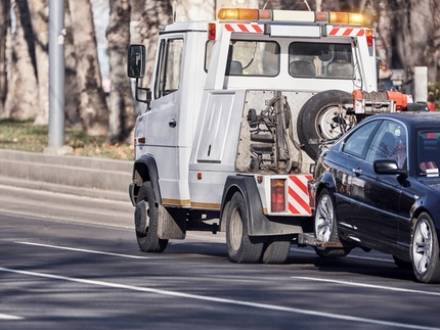
Surrender means giving the property back to the creditor instead of using the Chapter 13 plan to keep it. For a car, this usually means arranging for the lender to come get it. The lender will usually sell the vehicle, apply the sale proceeds to the loan balance, and you will be responsible for paying whatever is left under the Chapter 13 plan.
For a home, the process takes longer. Stating that you will surrender a house does not automatically transfer ownership to the mortgage company. The lender may still need to file a foreclosure, accept a deed, or use another legal process before the title changes.
Until ownership changes, you are responsible for certain responsibilities connected to the property. These include insurance, property maintenance, and homeowners’ association charges.
What Is a Deficiency Balance After Surrender?
A deficiency is the amount left unpaid after the creditor sells the collateral and applies the sale proceeds. Let’s say you owe $24,000 on a vehicle. After repossession and sale expenses, the lender is able to get $16,000 and puts it toward the loan. The remaining $8,000 is the deficiency balance.
Outside bankruptcy, a creditor could file a lawsuit and seek collection through methods allowed by law. In Chapter 13, the deficiency is usually treated as a general unsecured claim.
Will a Deficiency Increase Your Chapter 13 Payment?
A Chapter 13 payment is not always calculated by adding up each unsecured debt and requiring you to pay a fixed percentage of every balance. The amount paid to unsecured creditors depends on several rules, including your disposable income, the value of nonexempt property, and the structure of the plan.
Chapter 13 plans direct most available money toward expenses such as:
- Mortgage or vehicle payments
- Past-due secured payments
- Certain taxes
- Child support and alimony
- Trustee fees
- Attorney’s fees
General unsecured creditors share what is left under the confirmed plan. A deficiency claim may join credit cards, medical bills, personal loans, and other unsecured debts in that group.
In some cases, adding a deficiency does not increase the debtor’s monthly payment. The same amount of money may simply be divided among a larger group of unsecured claims. Each creditor then receives a smaller percentage.
Will the Balance Be Discharged After a Chapter 13 Plan is Finished?
After you complete the Chapter 13 plan and meet the other discharge requirements, many unpaid general unsecured debts are discharged. A discharge means the creditor can no longer try to get you to pay.
Some debts remain enforceable even after plan completion, including certain taxes, domestic support obligations, and other debts specifically excluded by law, like student loans.
A normal vehicle-loan deficiency is often dischargeable. Mortgage deficiencies may also be dischargeable in many cases. However, the facts and the type of debt matter. If the case is dismissed before completion, creditors may regain the right to collect unpaid balances.
Is Surrendering Collateral Better Than Filing Chapter 7?
Chapter 7 may discharge a qualifying deficiency without requiring a three-to-five-year repayment plan. That does not mean Chapter 7 is automatically the better choice.
You may need Chapter 13 for reasons unrelated to the surrendered property. For example, Chapter 13 may help you catch up on a mortgage, pay certain tax debt, protect nonexempt property, or manage child support that Chapter 7 would not help with.
Surrendering one vehicle might make the Chapter 13 plan affordable enough to save your home. Giving up an expensive home could make it possible to handle tax debt or another priority. The decision must be considered as part of your entire financial plan.
When Does Surrendering Collateral Make Financial Sense?
Surrendering collateral in Chapter 13 bankruptcy may be worth considering when the payment is no longer affordable, the property is worth far less than the debt, or keeping it would get in the way of achieving more important goals.
Before deciding, consider the full cost of keeping the property. For a vehicle, that includes insurance, repairs, fuel, and registration. For a home, it may include the mortgage, taxes, insurance, association fees, maintenance, and the cost of catching up on missed payments.
You should also consider what you will use instead. Giving up a vehicle may reduce your plan payment, but you might still need a car. Surrendering a home may remove an unaffordable mortgage, but you need a place to live.
Call a San Antonio Chapter 13 Bankruptcy Attorney Today
The Schertz, TX Chapter 13 bankruptcy lawyer at the Law Offices of Chance M. McGhee can help you compare the cost of keeping or surrendering your property and explain how each option could affect your finances. With more than 20 years of experience, we give our clients practical, customized guidance based on the full details of their unique situation.
Call 210-342-3400 today for a free consultation.
Call Today for a FREE Consultation
210-342-3400