
Call Today for a FREE Consultation
210-342-3400
Voluntary and Involuntary Bankruptcy
 Filing for bankruptcy is a big decision, and understanding your options is the first step toward financial relief. Most people who file bankruptcy do so voluntarily, but there are other ways a bankruptcy case can begin. You also have choices about whether to file alone or together with your spouse.
If you are struggling with debt and want to make a change in 2026, knowing a little about bankruptcy can help you understand whether this step is the right choice for you. Our Schertz, TX bankruptcy attorney is experienced and ready to help you.
What is the Difference Between Voluntary and Involuntary Bankruptcy?
Almost all consumer bankruptcy cases are voluntary. This means the person who owes money makes the choice to file. A voluntary case begins when you or your bankruptcy lawyer files a petition with the bankruptcy court. Under the United States Bankruptcy Code, this petition officially starts your case and tells the court which chapter of bankruptcy you want to use.
Most bankruptcy petitions are filed electronically by an attorney. You do not need to go to the courthouse in person. Once your petition is filed, an automatic stay goes into effect. This stops creditors from calling you, sending collection letters, or taking legal action against you while your case moves forward.
Involuntary bankruptcy is very different. In an involuntary case, creditors file the petition against someone who owes them money. This is allowed under Section 303 of the Bankruptcy Code. Creditors typically use this option when a business refuses to pay its debts but has assets that could be sold to satisfy what it owes.
Involuntary bankruptcies against individuals are extremely rare. Creditors almost never pursue this route against regular consumers because the legal requirements are strict and the costs are high. For most people considering bankruptcy in Texas, a voluntary filing is the only realistic option.
When Can a Creditor Pursue Involuntary Bankruptcy Against You?
Creditors cannot simply force anyone into bankruptcy whenever they want. The law sets strict requirements that must be met before an involuntary case can proceed.
If the debtor has 12 or more creditors, at least three creditors must join together to file the involuntary petition. These creditors must collectively be owed at least a minimum amount set by federal law, which adjusts periodically. If the debtor has fewer than 12 creditors, a single creditor meeting the debt threshold can file alone.
The creditors must also prove that the debtor is generally not paying their debts as they come due. Simply being behind on one or two bills is not enough. The debtor must have a pattern of failing to meet financial obligations. Involuntary bankruptcy against businesses is much more common.
What Are the Types of Voluntary Bankruptcies?
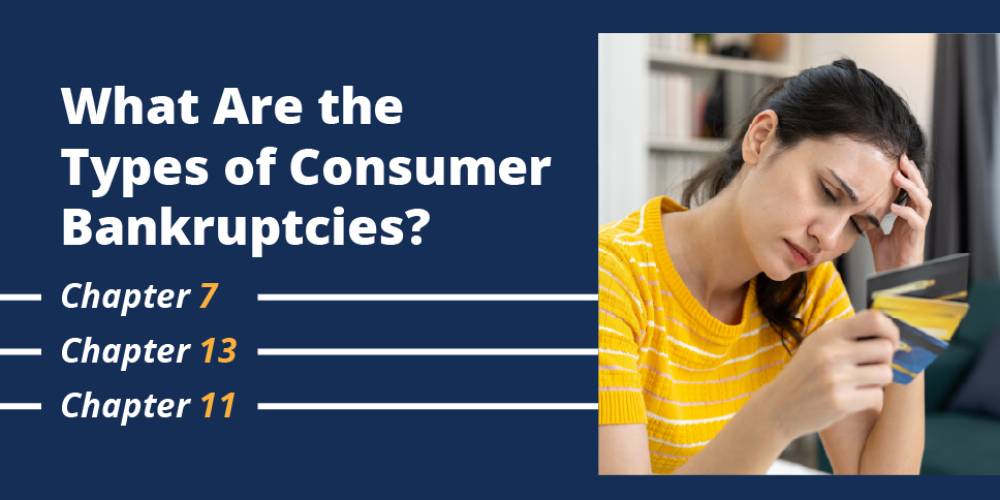
When you file voluntarily, you must choose which chapter of the Bankruptcy Code fits your situation. Individuals in Texas typically have three options.
Chapter 7
Chapter 7 bankruptcy is the most common choice for consumers. It works by liquidating non-exempt assets to pay creditors, then discharging most remaining unsecured debts. However, Texas has generous exemption laws under Texas Property Code Sections 41 and 42 that protect most property.
This means most people who file Chapter 7 keep everything they own while getting rid of credit card balances, medical bills, and other qualifying debts. Chapter 7 cases usually finish within three to four months.
Chapter 13
Chapter 13 bankruptcy is a reorganization plan for people with regular income. Instead of liquidating assets, you make monthly payments to a trustee over three to five years. The trustee distributes the money to your creditors according to your approved plan. Chapter 13 can help you catch up on mortgage payments, car loans, or tax debts while also reducing or eliminating unsecured debts.
Chapter 11
Chapter 11 bankruptcy is primarily used by businesses, but people with very high debt levels can also file under this chapter. It allows for more flexibility in restructuring debts but is more complicated and expensive than other options.
How Do You Decide Which Bankruptcy Option is Right for You?
Choosing between Chapter 7, Chapter 13, and Chapter 11 depends on your income, your debts, and what you want to accomplish through bankruptcy.
Do You Have Limited Income and Mostly Unsecured Debt?
Chapter 7 is often the best fit if you have limited income and mostly unsecured debts like credit cards and medical bills. To qualify, you must pass a means test based on your income and family size based on the limit set by the U.S. Trustee Program.
If your income falls below the median for your household size, you typically qualify. Chapter 7 works well when you want a fast discharge and do not need to catch up on secured debts like a mortgage or car loan.
Do You Have a Steady Income and Want to Keep Valuable Property?
Chapter 13 makes more sense if you have steady income and want to keep property you might otherwise lose. This chapter lets you spread out past-due mortgage payments or car loan arrears over your repayment plan while keeping your home or vehicle.
Chapter 13 is also helpful if you earn too much to pass the Chapter 7 means test. Your unsecured creditors may receive little or nothing after you cover your living expenses and priority debts, and any remaining balances get discharged at the end of your plan.
Do You Have Too Much Debt for Chapter 13?
Chapter 11 is rarely used by individual consumers, but it becomes necessary when your debt exceeds the limits allowed under Chapter 13. The current debt limits for Chapter 13 are set by federal law and adjust periodically. If you owe more than these limits or have complex financial circumstances, Chapter 11 offers a path forward. However, Chapter 11 cases involve more paperwork, higher fees, and longer timelines than other options.
What Do You Want From Bankruptcy?
Think about your goals when making this decision. Do you want the fastest possible relief? Chapter 7 finishes in months. Do you need time to catch up on a mortgage? Chapter 13 gives you years to get current. Do you have debts that exceed Chapter 13 limits? Chapter 11 may be your only choice.
Call a San Antonio, TX Bankruptcy Attorney Today
Understanding your bankruptcy options is important, but getting personalized advice is what really makes all the difference. Every family's financial situation is unique. The right filing strategy depends on your specific debts, assets, and goals.
Our Schertz bankruptcy lawyer at the Law Offices of Chance M. McGhee has more than 20 years of experience helping Texas families get relief from overwhelming debt. We offer free consultations so you can learn about your options without any pressure. Call Law Offices of Chance M. McGhee at 210-342-3400 to schedule your free consultation and take the first step toward a fresh financial start.
Call Today for a FREE Consultation
210-342-3400