
Call Today for a FREE Consultation
210-342-3400
What Happens to Your Cosigners if You File for Bankruptcy?
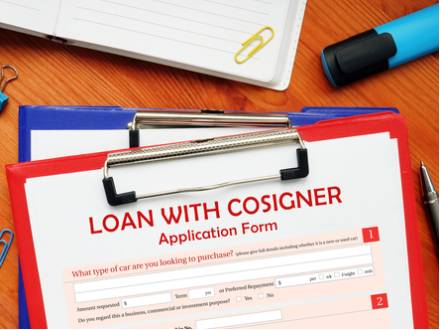 Filing for bankruptcy impacts everyone involved in the loan process, including a cosigner. If a friend, relative, or business partner cosigned a loan for you, they could still be responsible for that debt even after your bankruptcy is complete. If you never intended to place this person in any sort of financial difficulty, you might be wondering what you can do to protect them. The process can be complicated, but an experienced Schertz, TX bankruptcy lawyer will ensure you know what to expect and how to limit the impact on your cosigner.
What Are the Responsibilities of a Cosigner in Texas?
When someone cosigns a loan, they promise to take on your repayment duties when you cannot handle them. This means that if you stop making payments, the lender can demand money from your cosigner instead. The lender can also report missed payments on your cosigner’s credit report.
Under Texas Finance Code § 342.074, lenders must clearly explain a cosigner’s obligations in writing before finalizing a loan. The document must state that the cosigner may be required to pay the full amount owed and that late payments can negatively impact their credit score.
How Does a Chapter 7 Bankruptcy Impact Cosigners in Texas?
A Chapter 7 bankruptcy allows you to erase many unsecured debts, such as credit cards, medical bills, and personal loans. However, this process does not protect your cosigner. Under 11 U.S.C. § 524(e) of federal bankruptcy law, the discharge only clears your personal obligation to pay. It does not relieve the cosigner of their duty to pay the same debt. That means the lender can still ask your cosigner to pay once your responsibility for the debt is erased.
For example, if you and a cosigner took out a $10,000 personal loan, and you eliminate it through Chapter 7, your cosigner becomes responsible for the full amount. Even if they did not know about your bankruptcy filing, the lender can contact them to collect the balance.
How Do You Protect Your Cosigner When You File for Chapter 7?
If you need to file for Chapter 7 bankruptcy, you have legal options that allow you to protect your cosigner. You can:
-
Reaffirm the debt: You can sign a reaffirmation agreement to keep paying a debt after your bankruptcy. This means you agree to continue paying this specific debt as if bankruptcy never happened. It keeps your cosigner from being held responsible. Of course, reaffirming is only a good option if you can afford the payments.
-
Pay voluntarily: Even if a debt is erased, you can still choose to make payments. This helps prevent damage to your cosigner’s credit and keeps your relationship positive.
-
Consider Chapter 13 instead: Chapter 13 bankruptcy can offer stronger protection for your cosigner.
Talk to your attorney before exploring these options. They can explain how each one would impact you as well. For example, reaffirming a debt means you are still legally responsible for it. If you miss payments later, your lender can still come after you.
How Does Chapter 13 Bankruptcy Impact Cosigners in Texas?
A Chapter 13 bankruptcy helps you reorganize your debts into a payment plan that lasts three to five years. It also offers something called a "co-debtor stay." This protection, found in 11 U.S.C. § 1301, prevents creditors from trying to collect a consumer debt from your cosigner while your case is active.
The co-debtor stay means your cosigner cannot be contacted, sued, or harassed about the debt as long as you make your required payments. If your repayment plan covers the full balance of a cosigned debt, your cosigner may stay protected even after your case ends.
However, if your plan only pays part of the debt, the lender can ask the court to lift the stay. This would allow them to go after your cosigner for any unpaid amount. The best way to protect your cosigner is to design your payment plan to include all cosigned debts whenever possible.
Can You Pay Outside the Chapter 13 Plan?
Sometimes, you may want to keep paying a cosigned loan directly instead of including it in your Chapter 13 plan. This is called "paying outside the plan." You can often do this if your payments are current and you can afford to keep them up.
For example, if your parent cosigned your car loan and you want to keep the car, you can continue paying the lender directly. Texas courts usually allow this if it does not hurt other creditors or break bankruptcy rules. Paying outside the plan can help protect your cosigner’s credit and avoid unnecessary stress.
However, if you miss payments or fall behind, the lender can still demand money from your cosigner. Always talk to a bankruptcy lawyer before deciding how to handle these payments.
Can a Cosigner Also File Bankruptcy?
If your cosigner is also struggling with debt, they may choose to file bankruptcy as well. Whether that makes sense depends on their income, assets, and total debt.
If both you and your cosigner file Chapter 7, the shared debt will usually be erased for both of you. That means neither person will owe the money, and the lender cannot collect from either of you.
In some cases, it may be best to file together, especially if you share several joint accounts. A joint bankruptcy can simplify repayment and help both of you rebuild credit together. But if your cosigner has good credit and little debt, it may be better for them not to file at all.
Contact a Kerrville, TX Bankruptcy Attorney Today
Filing for bankruptcy when someone has cosigned a loan with you is more complex than filing without one. Whether you are considering Chapter 7 or Chapter 13, an experienced attorney can help you plan the right approach to protect not just your credit, but your cosigner’s as well.
Attorney Chance McGhee, a Director of the San Antonio Bankruptcy Bar Association, has over 20 years of experience helping Texans overcome debt and rebuild their finances. His experience and dedication can help you protect your assets, your credit, and your relationships.
If you are ready to take charge of your debt, call Law Offices of Chance M. McGhee at 210-342-3400 to schedule a free consultation with a Schertz, TX bankruptcy lawyer today.
Call Today for a FREE Consultation
210-342-3400