
Call Today for a FREE Consultation
210-342-3400
Recent Blog Posts
What Are My Options for Protecting Assets During Bankruptcy?
 If you have significant debts that you are struggling to repay, you may be considering bankruptcy. However, you may be worried that if you file for bankruptcy, you could lose certain assets that you own, such as your home, your family’s vehicles, or valuable possessions. By understanding the laws that will apply to you when you file for bankruptcy or seek other forms of debt relief, you can determine your options for asset protection and the best ways to address your debts and maintain financial stability.
Using Bankruptcy Exemptions
If you are planning to file for Chapter 7 bankruptcy, you may be required to turn over certain assets, which will be liquidated to repay as much of your unsecured debts as possible before these debts will be discharged. However, certain types of property are exempt from liquidation. As you prepare for bankruptcy, you may be able to utilize these exemptions to avoid turning over your assets.
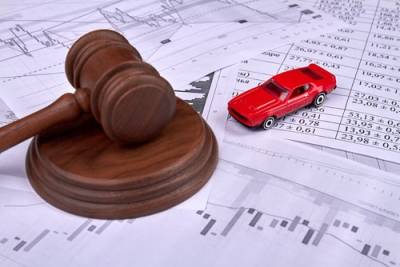
UPDATE: Can I Keep My Car if I File for a Texas Bankruptcy?
 Originally published: February 28, 2020 -- Updated: December 2, 2021
UPDATE: In addition to understanding how filing for bankruptcy may affect ownership of a vehicle, a debtor will want to determine whether they can use a “cramdown” to reduce the amount they owe on an auto loan while addressing other debts during the bankruptcy process. This option is available in a Chapter 13 bankruptcy, and it can ensure that a person will avoid the potential loss of their vehicle while still being able to make affordable payments.
A cramdown is a reduction in the amount owed on an auto loan. A debtor may be eligible for a cramdown if the remaining amount that they owe to a lender is greater than the actual cash value of the vehicle. In addition, the debtor must have originally purchased the vehicle at least 910 days before filing for bankruptcy. For example, if $20,000 is owed on a loan, but the car’s market value is $13,000, the amount of the loan may be reduced to $13,000. The remaining $7,000 will be classified as an unsecured debt and included in the debtor’s Chapter 13 repayment plan. By reducing the amount of this loan and discharging other debts, a person can ensure that they will be able to maintain financial stability and avoid the loss of their vehicle.
How Can I Address Harassment From Debt Collectors and Creditors?
 Debts are a reality for most Americans, and while most people are able to make ongoing payments, some may experience financial difficulties that make it difficult to pay back what is owed. If you have gotten behind on payments, you may have begun receiving calls from creditors. Debt collectors can sometimes take aggressive actions to attempt to recover money, and if you have experienced harassment by creditors, you will want to determine the best ways to address this issue. A skilled bankruptcy lawyer can advise you of your options and work with you to determine the forms of debt relief that are available.
Debtor Rights Under the Fair Debt Collection Practices Act
Federal laws dictate the rights of consumers and the restrictions that apply to creditors who attempt to collect debts. The Fair Debt Collection Practices Act (FDCPA) ensures that debtors are protected from harassing behavior such as:
How Are Family Support Obligations Addressed During Bankruptcy?
 When a person or family is struggling to pay the debts they owe, bankruptcy can be a good option for eliminating debts or repaying some debts while avoiding issues such as foreclosure. Different types of debts may need to be addressed during the bankruptcy process, and a person will need to understand how their obligations to pay child support or spousal support will be affected. Determining the role that bankruptcy will play as they make ongoing support payments or address unpaid payments can ensure that a person will be able to maintain financial stability going forward.
Bankruptcy and Domestic Support Obligations
Bankruptcy will allow some debts to be discharged, meaning that the debtor will no longer be required to pay what is owed. However, domestic support obligations, including child support and spousal support, cannot be discharged through bankruptcy. A person will be required to meet any support obligations ordered by a family court, and any past-due payments will need to be made up, along with any interest that may apply.
5 Common Myths About Bankruptcy and the Truth About Debt Relief
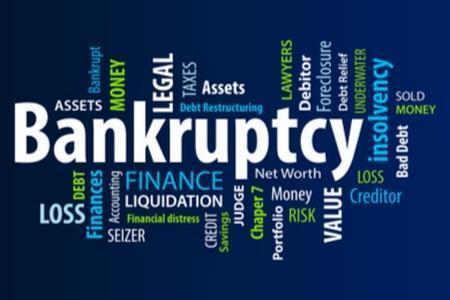
While most people understand that bankruptcy is an option for eliminating debts, there are a lot of misconceptions about the bankruptcy process, the laws that apply to those who file for bankruptcy, and the ways filing for bankruptcy will affect a person’s life. By understanding exactly what the bankruptcy process entails, a person can determine whether it may be the best choice in their situation. Those who have outstanding debts that they are having trouble repaying can work with an attorney to determine their options for receiving relief.
Bankruptcy Myths and Misconceptions
Some of the most common bankruptcy-related misunderstandings include:
-
Bankruptcy is only for people who are financially irresponsible - This myth is based on the misconception that people only have debts because of reckless spending or mismanagement of money. However, there are many cases where unexpected issues in a person’s life can put them in a difficult position. Medical debts are a common reason why people file for bankruptcy, and in many cases, there is no way to prepare for an unexpected health issue that may require expensive treatment. Layoffs and job losses can also make it difficult for a family to make ongoing payments on a mortgage or other loans, and bankruptcy may become necessary to ensure that they can regain financial stability. It is important to remember that a bankruptcy filing is not a reflection of a person’s moral character. In most cases, it is a measure that may be taken to address unexpected life changes and ensure that a family can meet its ongoing needs.
How Is a Chapter 13 Bankruptcy Affected by a Divorce?
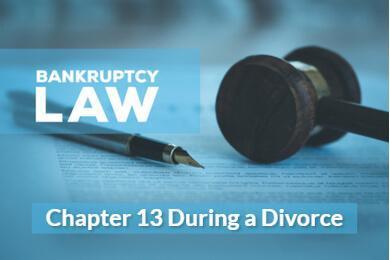
When a family is struggling with debt, Chapter 13 bankruptcy can often be a good solution that will allow them to consolidate certain debts into a single payment plan, discharge debts after the payment plan is completed, and maintain ownership of their home and other property. However, if a married couple decides to get a divorce before they have completed their Chapter 13 repayment plan, they will need to determine how their bankruptcy case will be affected and what steps they can take to address their outstanding debts.
Options for Chapter 13 Bankruptcy During a Divorce
Couples who have filed for Chapter 13 bankruptcy and begun making payments on a repayment plan have multiple options if they choose to get divorced. These include:
-
Continue the repayment plan - A couple may agree that they will both continue to make payments until their Chapter 13 repayment plan has been completed. This may be a good option if a couple is close to completing all of the payments in their plan or if both spouses will have the means to continue making payments after getting divorced. A couple may also be able to request a modification of their repayment plan based on reductions in disposable income due to the expenses of maintaining two separate households. As part of their divorce settlement, spouses will need to agree on how they will divide payments. If one party fails to make payments, this may leave the other party in a difficult position, so spouses will need to make sure they both understand their requirements as they complete their Chapter 13 case.
5 Tips to Follow When Preparing to File for Bankruptcy

Debt is an issue that affects many people in the United States, and if your family is struggling to address ongoing expenses while also paying the debts that are owed, you may be considering bankruptcy. This option can provide you with relief from your debts and allow you to receive a fresh start and maintain ongoing financial success. As you prepare to file for bankruptcy, you will want to take the correct steps to ensure that all of your debts will be addressed properly, while also making sure you do not do anything that will affect your ability to receive debt relief.
Steps You Can Take to Protect Yourself When Preparing for Bankruptcy
-
Gather financial information - You will need to fully understand all of the debts you owe, as well as the assets you own, all forms of income, and your ongoing expenses. By gathering statements from creditors and checking your credit report to uncover any debts you may not be aware of, you can be sure all of your debts will be included when you file for bankruptcy. Depending on whether you will be filing for Chapter 7 or Chapter 13 bankruptcy, you will need to understand whether you will be required to turn over any non-exempt assets or how much disposable income you may have to put toward a repayment plan.
How Is a Second Mortgage Handled During Bankruptcy?
 Home mortgages are some of the most significant forms of debt for many consumers. A mortgage is an investment, and the longer a person makes payments, the more equity they will own in their home. Because of this, many homeowners will worry about what will happen to this equity if they get behind on mortgage payments. In some cases, homeowners may have taken out second or third mortgages in order to complete home repairs or pay other costs. For those who are struggling to pay what is owed while also addressing other types of debts and covering their regular expenses, bankruptcy may seem like a good option. However, when filing for bankruptcy, a homeowner will want to understand the best approach to take and determine whether they will be able to maintain ownership of their home.
Addressing Mortgage Debt Through Bankruptcy
The options available to a homeowner will depend on the value of their home, the amount remaining on their primary mortgage and any junior mortgages, and whether they have defaulted on mortgage payments. If a homeowner has remained current on their mortgage payments or is able to catch up on any missed payments, they may be able to complete a Chapter 7 bankruptcy. This will allow them to discharge other types of debts, such as credit debts or medical debts. Texas law provides an unlimited homestead exemption, so a homeowner will be able to maintain ownership of the equity in their home while receiving a fresh financial start.
What Are the Benefits of Chapter 7 Vs. Chapter 13 Bankruptcy?
 In the United States, it is far too easy for a family to be burdened with overwhelming debt. Even if a family does everything they can to manage money as carefully as possible, they may experience unexpected difficulties that put them in an impossible financial position. In many cases, these debts occur because of medical bills, but a family may also struggle due to the loss of a job, a health condition that prevents a person from working, fire or natural disaster, or any number of other issues. When debts become so large that they will be impossible to repay, different forms of debt relief may be available, including bankruptcy. By understanding the benefits of different types of bankruptcy, a family can determine their best options for receiving a fresh financial start and moving on from this difficult situation.
Benefits of Chapter 7 Bankruptcy
What Is a No-Asset Bankruptcy?
 People who are struggling to repay the debts they owe while also addressing their regular expenses and daily needs have a number of options for debt relief, including filing for bankruptcy. However, some people may be worried that if they file for bankruptcy, they will lose certain assets, such as their home, their vehicles, money saved in a bank account, or other personal property. Fortunately, many debtors can qualify for a no-asset bankruptcy in which they will not be required to turn over any property. By working with a skilled and experienced bankruptcy attorney, a person can determine whether this type of bankruptcy is available to them.
Assets Exempt From Liquidation in Chapter 7 Bankruptcy
A debtor may file for Chapter 7 bankruptcy, which will allow their unsecured debts to be discharged once the bankruptcy process is completed. This type of bankruptcy is often known as a “liquidation bankruptcy,” since some debtors will be required to turn over certain assets, which will be liquidated so that creditors can receive payment for some of the debts that are owed. However, in a no-asset Chapter 7 bankruptcy, a debtor will not be required to turn over any assets.
Call Today for a FREE Consultation
210-342-3400