
Call Today for a FREE Consultation
210-342-3400
Recent Blog Posts
How Will Bankruptcy Affect Past-Due Child Support or Alimony?
 If you are experiencing financial difficulties, you may be struggling to make payments toward multiple different types of debts and expenses. In these situations, it can be understandable to prioritize expenses that are absolutely necessary, such as rent, utilities, gasoline, and groceries, and you may have been unable to make other types of payments. In addition to getting behind on credit cards or other debts, you may have been unable to make payments toward domestic support obligations, such as child support or spousal support that you are required to pay following a divorce. While bankruptcy may provide you with some financial relief and allow you to regain financial stability, you will need to be sure to understand how it will affect the support payments that you owe.
Bankruptcy and Domestic Support Obligations
When you owe child support or spousal support, the recipient of these payments is considered to be one of your creditors. You are legally obligated to make all required payments, and if you get behind on payments, you must pay the full amount owed, and you may also be charged interest.
Should I Repay Some Debts Before Filing for Bankruptcy?
 If you are struggling with debts, you will want to determine the options for debt relief that may be available, including bankruptcy. However, as you prepare to file for bankruptcy, you will need to be aware of certain issues that could affect you. One factor that may be considered involves any payments that you made prior to filing for bankruptcy. In some cases, these may be considered “preferential payments” that could complicate the bankruptcy process and affect your ability to discharge your debts.
What Are Preferential Payments?
When preparing for bankruptcy, it may seem to make sense to make payments toward some of your debts and pay off some of what is owed to different creditors. However, the bankruptcy laws prohibit preferential treatment of creditors. Payments made to one creditor may affect other creditors’ ability to recover what is owed to them, and in some cases, some or all of these payments may need to be returned.
How Does Bankruptcy Affect a Loan’s Co-Signer?
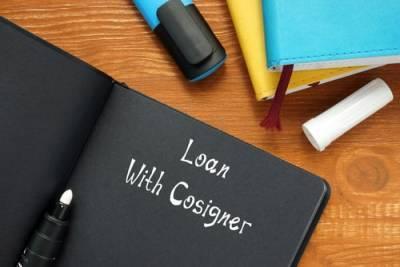 There are a variety of different types of debts that can affect a person or family. In some cases, a person may receive assistance from a friend or family member when they sign a loan. For example, a person may be looking to purchase a new car, but if they do not have a significant credit history, they may not be able to obtain a loan on their own. Having a parent or another person who has a high credit score cosign the loan will provide the lender with a better guarantee that the debt will be repaid. However, if the person experiences financial hardship that affects their ability to make ongoing payments on the loan, the co-signer may be obligated to repay the loan. While bankruptcy may be an option that can help address these debts, it is important to understand how a co-signer will be affected in these cases.
How Chapter 7 and Chapter 13 Bankruptcy Affects Co-Signers
When a person cosigns a loan, they will be providing the lender with the guarantee that ongoing payments will be made. If the primary debtor defaults on the loan, the lender may seek repayment from the co-signer, and this may include contacting them and asking them to make payments or pursuing a legal judgment to recover the balance owed on the loan.
Pros and Cons of Reaffirming Your Mortgage During Chapter 7 Bankruptcy
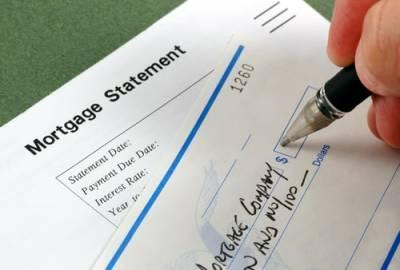 If you are a homeowner who has defaulted on your mortgage payments or are experiencing other issues that have affected your ability to repay your debts, you may be considering bankruptcy. Filing for bankruptcy will allow you to halt foreclosure proceedings as you determine your options. If you plan to pursue a Chapter 7 bankruptcy, this will allow you to discharge a number of different types of debts, eliminating the requirement to repay what you owe and ensuring that you will receive a fresh financial start. However, the discharge of your mortgage loan will allow your lender to proceed with a foreclosure and take possession of your home. To prevent this, you may choose not to include your mortgage in your bankruptcy, and if you continue making payments while also making up any past-due payments or related fees, you may be able to maintain ownership of your home.
How Does Bankruptcy Affect Tax Liens and Levies?
 There are multiple types of debts that can cause a person and their family to experience financial difficulties. Tax debts can be especially problematic since debtors are not always able to eliminate these debts through bankruptcy. Taxpayers will want to understand their options in situations where the IRS or a state takes action to collect taxes that are due. By understanding how IRS tax levies and tax liens are affected by a bankruptcy case, a person can make sure they take the correct steps to receive the debt relief they need.
What Is a Tax Levy?
When a taxpayer owes taxes, the IRS may take multiple different types of actions to collect these debts, and these actions are known as tax levies. The IRS may contact a person’s bank and seize the funds in an account, or it may put an order in place to garnish the person’s wages. However, if a taxpayer files for bankruptcy, the automatic stay in their case will apply to tax levies, and the IRS will be required to cease these collection activities while the case is ongoing.
UPDATE: Bankruptcy and Mental Health: Battling Negative Emotions
 Originally published: August 6, 2014 -- Updated: February 22, 2022
UPDATE: As discussed below, there are a variety of negative emotions that are associated with bankruptcy, and in some cases, these may lead people to take inadvisable actions or engage in behavior that will affect their ability to maintain financial stability. However, some of these negative emotions may be avoided by understanding the purposes of bankruptcy and the reasons why people seek relief from their debts. By working to eliminate the stigma associated with bankruptcy, people can approach this process in a more positive manner.
It is important to remember that bankruptcy is a right that is afforded to people in the United States, ensuring that they can receive a fresh financial start if they are in a difficult situation. Filing for bankruptcy does not necessarily mean that a person has been financially irresponsible or that they are to blame for the problems they are experiencing. In fact, most people who file for bankruptcy do so because of circumstances that are out of their control. The unexpected loss of a job, health issues that prevent a person from earning an income, or large medical bills are all issues that can put someone in a difficult financial position and make it impossible to repay their debts. In these cases, bankruptcy can relieve a person and their family from a financial burden that they could not have avoided. Taking advantage of the laws to receive relief from debts should not be an issue that reflects on a person’s character.
What Assets Will I Be Required to Turn Over During a Bankruptcy Case?
 If you have significant debts, you may be considering bankruptcy to wipe out some or all of what you owe, providing you with a fresh financial start. However, you may be concerned that you will have to give up some of your money or property during the bankruptcy process. By understanding how different types of bankruptcy address this issue and the type of assets that may be exempt, you can determine your best options and ensure that you will be positioned for success once your bankruptcy is complete.
Liquidation of Assets in Chapter 7 Bankruptcy
For many people, Chapter 7 bankruptcy may be the best option for debt relief, since it will allow for the discharge of many types of debts. However, it may require you to turn over certain assets. This is known as liquidation, since the assets that you turn over will be sold, and your creditors will receive payments for some of what you owe. Fortunately, the law provides a number of exemptions from liquidation, meaning that you will be able to maintain ownership of a significant portion of your assets.
Understanding Secured Vs. Unsecured Debts During Bankruptcy
 Most people have debts of some sort. Certain types of debts may be necessary to own a home or vehicle, and other debts may be used to make purchases or receive education or medical treatment. While debts may be manageable for many people, there are situations where they can cause significant financial difficulty, especially if a person or family encounters issues that affect their income and ability to make payments. In these cases, bankruptcy may be an option that will allow for the elimination of debts. However, those who are looking to receive debt relief will need to understand how different types of debts are classified and how the type of bankruptcy they pursue will affect the debts they owe.
Addressing Secured and Unsecured Debts Through Chapter 7 or Chapter 13 Bankruptcy
Debts generally fall into one of two categories:
-
Secured debts - These debts require a person to put up certain property or assets as collateral, providing security for the lender. If the borrower defaults on these debts, the lender may take possession of the collateral to ensure that they will be repaid for the amount of the loan. In many cases, collateral will be the property a loan was used to purchase, such as a home or vehicle. However, a person may use their assets as collateral in other debts, such as by securing a business loan with the equity they own in their home.
How Can Filing for Bankruptcy Prevent Home Foreclosure?
 If you are a homeowner who is experiencing financial difficulties, the possibility of foreclosure is likely one of your largest concerns. If you default on your mortgage, your lender may begin foreclosure proceedings, and if you do not make up the missed payments, you could lose ownership of your home. Fortunately, there are multiple options available that may provide you with debt relief, including filing for bankruptcy. With the help of an attorney, you can determine the best way to proceed, and you can take steps to prevent foreclosure while regaining financial stability.
Addressing Foreclosure Through Chapter 7 or Chapter 13 Bankruptcy
The first thing to understand is that filing for bankruptcy will allow you to stop foreclosure proceedings. After a bankruptcy petition is filed, an automatic stay will be put in place that prevents creditors from taking any actions to enforce your obligations, including proceeding with lawsuits to recover debts, repossessing property, or foreclosing on your home. Taking action to file for bankruptcy as soon as you are aware of foreclosure proceedings will make sure you can address your debts and determine the best course of action to receive relief.
When Can a Bankruptcy Be Converted From Chapter 13 to Chapter 7?
 When a person is determining their options for receiving relief from their debts and getting a fresh financial start, they may pursue one of two possible methods of filing for bankruptcy. While Chapter 7 bankruptcy is often the preferred method, since it will allow for the elimination of many different types of debts within a few months, this option is not always available. If a person does not qualify for Chapter 7, or if they wish to maintain ownership of their home or other assets, they may opt for a Chapter 13 bankruptcy. During the bankruptcy process, there are a variety of situations where a person who had originally planned to pursue a Chapter 13 bankruptcy may decide to convert their case to a Chapter 7 bankruptcy. Understanding when this is possible will help a debtor make the best use of the available options for receiving relief from their debts.
Call Today for a FREE Consultation
210-342-3400